
 TR
TR
 EN
EN

Personalised Zygomatic Implants in Istanbul
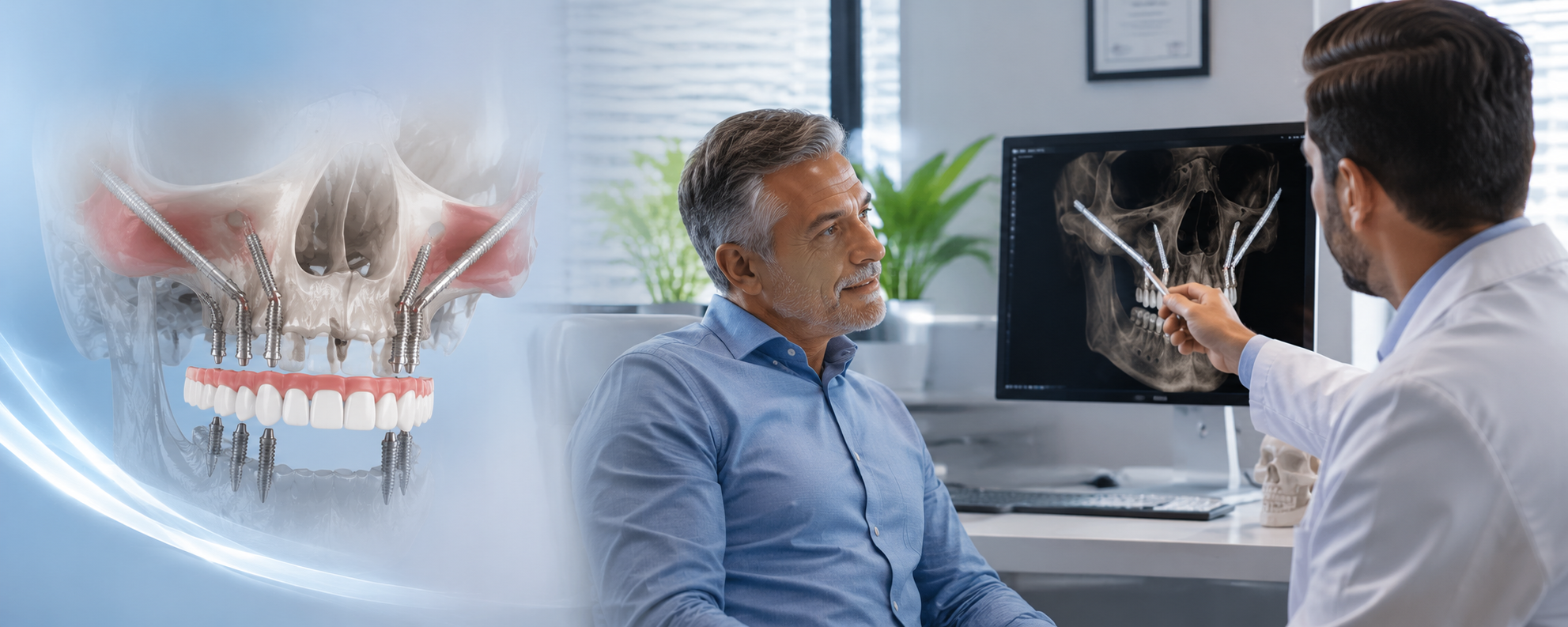
Specialist implant rehabilitation using the cheekbone for anchorage in selected severe maxillary bone-loss cases. Diagnosis, treatment alternatives and expected stages are explained before the procedure begins.
- Detailed clinical examination and diagnosis
- Digital imaging or radiographs when indicated
- Individual treatment and material planning
- Aftercare, maintenance and follow-up guidance
03
MebaDent evaluates oral health, function and aesthetic goals before recommending zygomatic implants. The final plan is based on clinical findings rather than a one-size-fits-all protocol.
How Zygomatic Implants is planned
Clinical Assessment
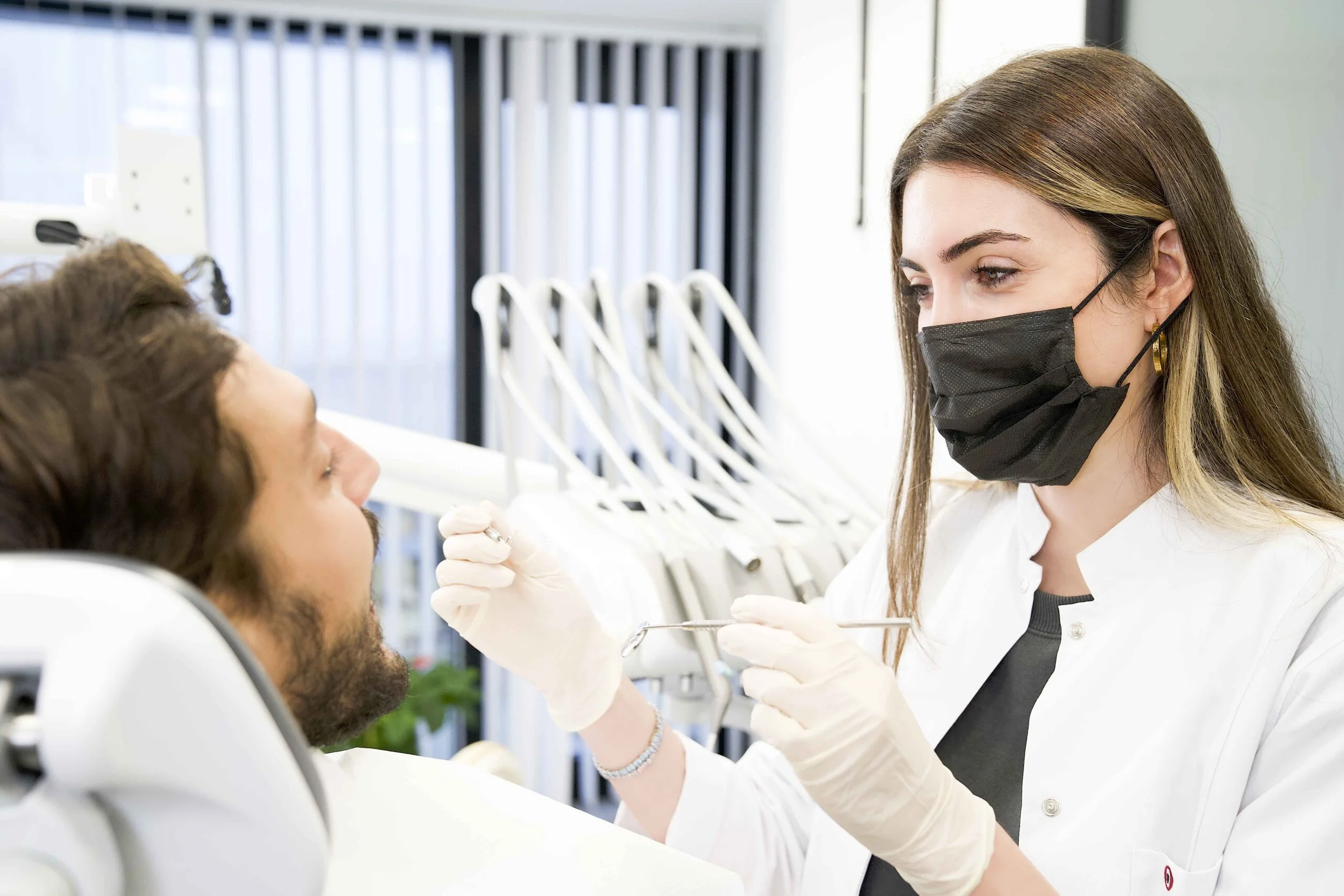
The teeth, gums, bite, supporting tissues and relevant medical factors are reviewed before treatment.
Personalised Planning
Suitable methods, expected stages, alternatives and maintenance requirements are explained clearly.
Aftercare and Follow-up
Review appointments and daily-care instructions are planned according to the procedure and risk profile.
What is Zygomatic Implants?
Specialist implant rehabilitation using the cheekbone for anchorage in selected severe maxillary bone-loss cases. At MebaDent, every treatment begins with a clinical examination and an individual assessment of the teeth, gums, bite and relevant medical history.
Who may be suitable?
Zygomatic Implants may be considered for carefully selected patients with advanced upper-jaw bone deficiency who require complex full-arch rehabilitation. Suitability is confirmed only after examination and, where required, digital imaging or radiographic assessment.
How is treatment planned?
The dentist reviews the diagnosis, available alternatives, expected stages, material options and maintenance requirements. The plan is adapted to oral health, functional needs and aesthetic expectations rather than using a standardised approach.
Potential benefits
Depending on the clinical situation, treatment may support alternative anchorage, potential reduction of extensive grafting and specialist prosthetic coordination. Outcomes vary according to the starting condition, treatment complexity and patient cooperation.
Aftercare and follow-up
Follow the dentist’s instructions, maintain effective oral hygiene and attend the recommended review appointments. Long-term success depends on daily care, professional maintenance and management of risk factors such as smoking or teeth grinding.
A clear, patient-centred treatment journey
Digital records and clinical findings are used to support accurate communication and coordinated planning.
The treatment timeline may change if additional dental, periodontal, surgical or laboratory procedures are required.

Frequently Asked Questions
-
What is Zygomatic Implants?Zygomatic Implants is planned according to the patient’s diagnosis. Specialist implant rehabilitation using the cheekbone for anchorage in selected severe maxillary bone-loss cases. A clinical examination is required before a recommendation can be made.
-
Who may be suitable for Zygomatic Implants?It may be considered for carefully selected patients with advanced upper-jaw bone deficiency who require complex full-arch rehabilitation. General health, oral hygiene, gum condition, bite and available tooth or bone support are assessed before treatment.
-
Is Zygomatic Implants painful?Comfort depends on the procedure. Local anaesthesia is used when clinically required, and aftercare instructions are provided. Temporary tenderness or sensitivity can occur following some treatments.
-
How long does Zygomatic Implants take?Timing varies with the number of teeth, treatment complexity, healing requirements and laboratory stages. A personalised schedule is provided after examination.
-
What should I do after Zygomatic Implants?Follow the dentist’s instructions, maintain careful oral hygiene and attend review appointments. Avoid habits that may damage the treated area and report persistent pain, swelling or bite problems.