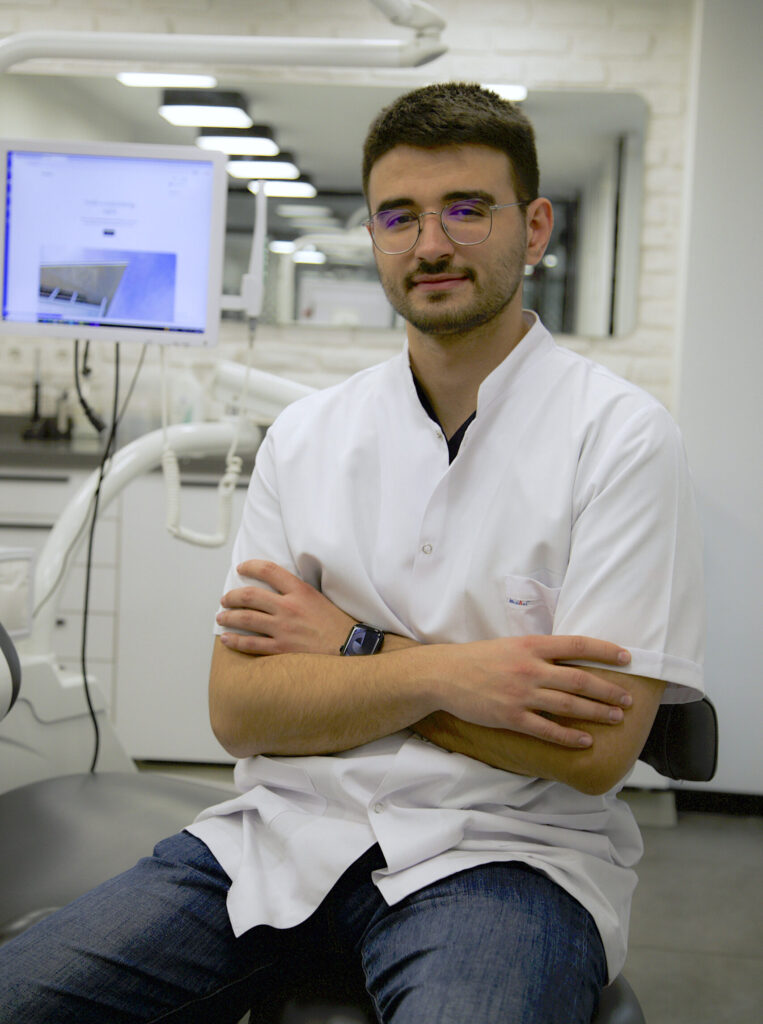


Root canal treatment is an important therapeutic procedure that helps preserve tooth structure and provides an alternative to tooth extraction. As one of the most commonly performed procedures in modern dentistry, root canal treatment, when properly executed, enables long-term use of your tooth. The advanced technological equipment and expert approach used during the treatment process significantly increases the success rate of the procedure.
What is Root Canal Treatment?
Root canal treatment is a procedure where infected or damaged pulp tissue (nerve and vascular tissue) inside the tooth is removed and filled with special filling materials. The dental pulp forms the living tissue of the tooth and has important functions such as tooth nutrition, sensation, and defense mechanisms. However, when this tissue is damaged due to various reasons, root canal treatment becomes necessary to prevent infection and save the tooth.
Main causes of pulp tissue damage:
- Deep dental caries
- Repeated dental procedures
- Tooth fractures and cracks
- Dental trauma
- Periodontal (gum) diseases
When is Root Canal Treatment Necessary?
Symptoms indicating the need for root canal treatment include:
Pain and Sensitivity
- Severe pain while chewing
- Prolonged sensitivity to hot and cold
- Spontaneous throbbing pain
- Tooth pain that wakes you up at night
Visual and Physical Signs
- Swelling or abscess in the gum area
- Tooth discoloration (graying or darkening)
- Fistula (small bubble) formation around the gum
- Tooth mobility (loosening)
Advanced Condition Signs
- Facial swelling
- Enlarged lymph nodes
- Fever and general infection symptoms
- Pain and sensitivity in the jawbone
How is Root Canal Treatment Performed?
Modern root canal treatment is a precise procedure performed in several stages:
- Diagnosis and Planning Phase Correct diagnosis is critical for successful root canal treatment. During this phase:
- Detailed clinical examination is performed
- Periapical and panoramic X-rays are taken
- Tooth vitality tests are conducted
- Treatment plan is created
- Preparation and Isolation
- Local anesthesia is administered
- Rubber dam is placed
- Decay and old fillings are removed
- Access cavity is prepared
- Cleaning and Shaping of Root Canals
- Pulp tissue is removed using special canal instruments
- Canal lengths are determined using electronic apex locator
- Canals are shaped using Ni-Ti rotary instruments
- Irrigation is performed with antibacterial solutions
- Filling the Canals
- Canals are dried
- Canal sealer is applied
- Canals are filled with gutta-percha
- Temporary filling is placed
- Permanent Restoration
- Composite filling or crown is applied
- Bite is checked
- Final X-ray is taken
Post-Treatment Care and Recovery
Important points for the post-treatment healing process:
First 24-48 Hours
- Mild sensitivity and discomfort are normal
- Prescribed pain medications should be taken regularly
- Cold compress can be applied
- Soft foods should be consumed
Long-Term Care
- Regular brushing and flossing
- Dental check-ups every six months
- Limited consumption of tobacco and alcohol
- Careful consumption of hard foods
Success Rate and Prognosis
In modern dentistry, the success rate of root canal treatment exceeds 98% with correct diagnosis and appropriate treatment planning. Factors affecting success:
- Tooth’s anatomical structure
- Extent of infection
- Treatment technique applied
- Materials used
- Patient’s oral hygiene
- Post-treatment care