
 TR
TR
 EN
EN

- MebaDent
Turkey Teeth: Costs, Risks and What to Expect (2026 Guide)
Turkey Teeth: Costs, Risks and What to Expect (2026 Guide)
The term "Turkey teeth" has become shorthand in the UK for dental work done in Turkey — typically veneers, crowns, or full smile makeovers at a fraction of what they cost at home. Social media is full of before-and-after transformations, but behind the hashtag there are real decisions to make about cost, safety, and long-term outcomes.
This guide covers what "Turkey teeth" actually involves, realistic cost comparisons between the UK and Turkey, the risks to be aware of, how to choose a reputable clinic, and what the treatment process looks like from start to finish.
What Are "Turkey Teeth"?
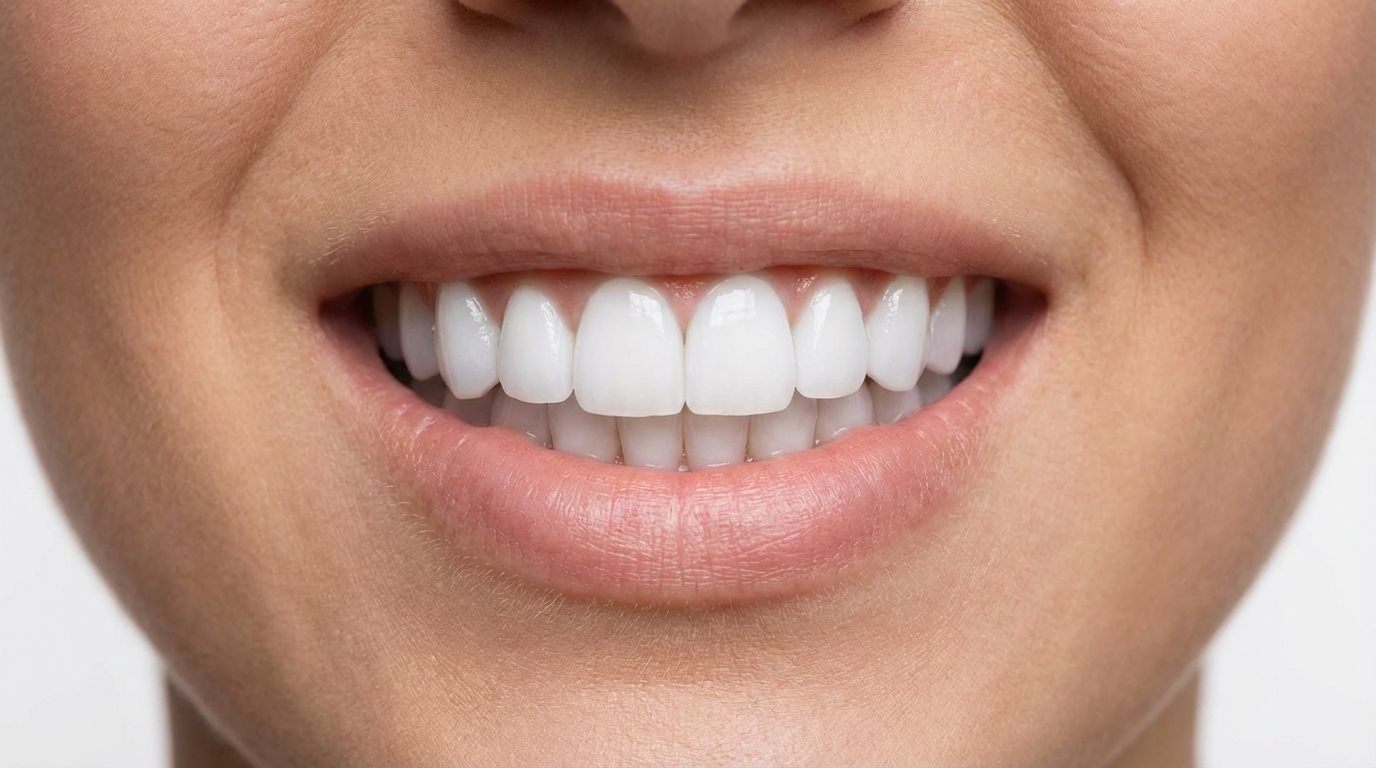
"Turkey teeth" is an informal term — mostly used on social media in the UK — referring to dental veneers, crowns, or full smile makeovers performed in Turkish dental clinics. The trend gained momentum through celebrity endorsements and viral TikTok transformations, with thousands of British patients travelling to Istanbul, Antalya, and other Turkish cities for dental treatment each year.
The procedures themselves are standard dental treatments: porcelain veneers, zirconia crowns, dental implants, or combinations of these. What sets Turkey apart is the significant cost difference — patients typically save 50-70% compared to UK prices — combined with the availability of modern clinics equipped with the latest dental technology.
However, the term also carries a cautionary undertone. Reports of poor outcomes, excessive tooth shaving, and clinics prioritising volume over quality have raised legitimate concerns. The key distinction is between reputable clinics with qualified specialists and budget operations that cut corners.
How Much Do Turkey Teeth Cost?
Veneers & Crowns
A single porcelain veneer in the UK ranges from £400 to £1,000 per tooth. In Turkey, the same veneer typically costs between £130 and £300. For a full set of 20 veneers — a common smile makeover scope — the price difference becomes substantial.
Zirconia crowns follow a similar pattern. A single zirconia crown costs £500-£1,500 in the UK versus £100-£350 in Turkey. E-max (lithium disilicate) crowns fall in a comparable range.
Dental Implants
A single dental implant including the abutment and crown costs £2,000-£3,500 in the UK. In Turkey, the same treatment with premium implant brands (Straumann, Nobel Biocare, Osstem) typically ranges from £400 to £900. Full-arch solutions like All-on-4 show even larger savings.
Full Smile Makeover Packages
Many Turkish clinics offer all-inclusive packages covering treatment, airport transfers, accommodation, and sometimes sightseeing. A full smile makeover that would cost £15,000-£30,000 in the UK can typically be completed for £3,000-£8,000 in Turkey, depending on the scope.
Prices are for informational purposes only. For exact pricing, please consult your dentist or clinic.
What Are the Risks?
Choosing the Wrong Clinic
The biggest risk is not the country — it is the clinic. Turkey has over 40,000 registered dentists and hundreds of clinics competing for international patients. This competition drives quality up in reputable clinics but also creates space for operators focused purely on volume and low cost. Clinics that advertise unrealistically low prices, pressure patients into quick decisions, or lack transparent credentials should be avoided.
Overtreatment: Healthy Teeth Shaved Unnecessarily
One of the most widely reported concerns involves clinics aggressively shaving down healthy teeth to fit crowns when less invasive options — such as minimal-prep veneers or bonding — would have been sufficient. Full-coverage crowns require removing a significant portion of the natural tooth structure, which is irreversible. Patients should question any treatment plan that recommends crowning all teeth without clear clinical justification.
Aftercare and Follow-Up Challenges
Dental treatment does not end when the patient flies home. Complications such as sensitivity, bite misalignment, or restoration failure require follow-up — and being in a different country complicates this. Reputable clinics offer warranty programmes and remote consultation options, but patients should have a plan for local follow-up care in the UK if needed.
How to Choose a Safe Clinic in Turkey
Not all clinics are equal. The following criteria help distinguish reputable clinics from risky ones:
- Accreditation: Look for JCI (Joint Commission International) accreditation or Turkish Ministry of Health dental tourism certification
- Specialist dentists: Verify that treatments are performed by relevant specialists (prosthodontist for veneers/crowns, implantologist for implants) rather than general dentists handling everything
- Material transparency: The clinic should specify exact material brands (e.g. Ivoclar E-max, BruxZir zirconia) rather than generic descriptions
- Before-and-after portfolio: Authentic patient photos — not stock images — showing a range of cases
- Written treatment plan: A detailed, itemised plan before any payment or travel commitment
- Warranty: A clear warranty policy covering a defined period, with terms for handling complications remotely
- Reviews on independent platforms: Google Reviews, Trustpilot, or dental tourism review sites — not just testimonials on the clinic's own website
What Does the Treatment Process Look Like?
Initial Consultation (Online)
Most reputable clinics begin with a remote consultation. Patients share photos, X-rays (panoramic OPG), and describe their goals. The clinic provides a preliminary treatment plan and cost estimate. This stage is typically free and carries no obligation. It is advisable to consult with at least 2-3 clinics before deciding.
Treatment Days in Istanbul
For veneers or crowns, patients typically need 5-7 days in Istanbul. The first visit involves detailed examination, digital impressions, and tooth preparation. Temporary restorations are placed while the laboratory fabricates the permanent ones. After 4-5 days, the final restorations are tried in, adjusted, and permanently cemented. Implant patients may need two separate visits several months apart.
Aftercare and Warranty
After treatment, the clinic should provide detailed aftercare instructions, a treatment summary document, warranty certificate, and emergency contact information. Most reputable clinics offer 5-10 year warranties on veneers and crowns, and lifetime warranties on implant fixtures. Regular check-ups with a local dentist in the UK remain essential for long-term maintenance.
Frequently Asked Questions
Are Turkey teeth worth it?
For patients who do thorough research and choose a reputable clinic, the cost savings can be substantial without compromising quality. However, patients who prioritise the lowest possible price without vetting the clinic risk poor outcomes. The value depends entirely on the clinic selection and the appropriateness of the treatment plan.
How long do Turkey teeth last?
Porcelain veneers typically last 10-15 years. Zirconia crowns can last 15-20 years or more. Dental implant fixtures, with proper maintenance, can last a lifetime, though the crown on top may need replacement after 10-15 years. Longevity depends on material quality, the precision of the fit, and the patient's oral hygiene habits.
Is it safe to get dental work in Turkey?
Turkey is one of the world's top destinations for dental tourism, with many clinics operating at European standards. The country has invested heavily in healthcare infrastructure and dental education. The risk lies not in the country itself but in choosing the wrong clinic. Proper research, accreditation checks, and realistic expectations mitigate the risk significantly.
What happens if something goes wrong after returning home?
Reputable clinics offer remote follow-up via photos and video calls. Minor issues (sensitivity, bite adjustment) can often be addressed by a local dentist in the UK. For more significant problems, the clinic's warranty may cover a return visit including accommodation. Having a clear warranty agreement before treatment is essential.
How many days do I need in Istanbul for dental treatment?
Veneers and crowns typically require 5-7 days. Dental implant surgery (first stage) requires 2-3 days, with a second visit of 3-5 days after 3-6 months for the final crowns. All-on-4 procedures may be completed in 5-7 days for the provisional teeth, with a follow-up visit for permanent restorations.
Conclusion
Getting dental work in Turkey can be a sound decision — provided patients approach it with the same diligence they would apply to any medical procedure. The cost savings are real, and many Turkish clinics deliver outcomes that match or exceed UK standards. The risk is not Turkey itself, but rushing into a decision based on price alone without verifying clinic credentials, treatment plans, and aftercare provisions.
At Mebadent Dental Clinic in Istanbul, treatments are carried out by specialist dentists using internationally certified materials. Each patient receives a detailed digital treatment plan, transparent pricing, and a comprehensive warranty. For a free initial consultation, contact the clinic directly.