
 TR
TR
 EN
EN

- MebaDent
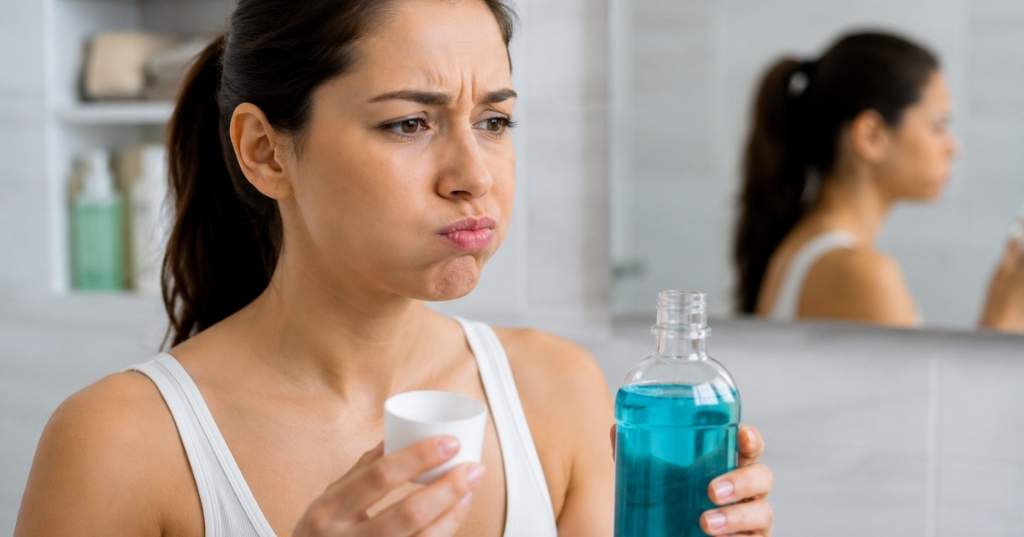
The Risks of Mouthwash
One of the topics that comes up surprisingly often in our consultations at our Şişli clinic is mouthwash. Patients ask whether they should use it daily, whether all mouthwashes are the same, and — increasingly — whether mouthwash might actually cause harm. The short answer is that mouthwash is a useful tool when chosen and used wisely, but it isn't without downsides. There are real downsides patients should know about before adding it to their daily routine. Let's walk through what we tell our patients.
What are the risks of mouthwash?
The main risks of mouthwash include disruption of the oral microbiome, dry mouth, tooth staining, mucosal irritation, masking of underlying problems, and — with alcohol-containing formulas — concerns about long-term tissue health. Most of these risks are manageable when mouthwash is chosen appropriately and used as a supplement rather than a substitute for brushing and flossing.
What our patients should keep in mind is that not all mouthwashes are alike. There are antiseptic, anti-cavity, anti-gingivitis, cosmetic, and prescription formulations, each with its own purpose and side-effect profile. Using the wrong one for your needs — or using any one excessively — is where most problems begin.
The most common risks, explained
1. Disruption of the oral microbiome
The mouth has a delicate balance of bacteria — many of them helpful. Antiseptic mouthwashes (especially those containing chlorhexidine or strong essential oils) can kill beneficial bacteria along with harmful ones. Long-term daily use of strong antiseptic rinses may shift this balance in ways that aren't fully understood, possibly affecting digestion and even blood pressure regulation through nitric oxide pathways.
Our practical view: short-term use of antiseptic mouthwash for a specific reason (after surgery, during an infection) is reasonable. Daily long-term use without medical guidance is something we talk through with patients individually.
2. Dry mouth and irritation
Alcohol-based mouthwashes can dry the oral tissues, especially with prolonged use. Dry mouth itself increases the risk of cavities, gum disease, and bad breath — exactly the issues people often turn to mouthwash to solve. Patients who already have dry mouth from medication or medical conditions are particularly vulnerable.
3. Tooth and tongue staining
Chlorhexidine, one of the strongest prescription antiseptic ingredients, is well known for causing brown staining on teeth, fillings, and the tongue with prolonged use. The staining is usually reversible with professional cleaning, but it's a reason chlorhexidine is meant for short courses rather than indefinite use.
4. Masking underlying problems
What we observe most often: mouthwash can temporarily mask bad breath that's coming from a real problem — gum disease, untreated cavities, or even systemic issues. Patients who rely on mouthwash to "fix" their breath may delay seeking the dental care that would actually solve it.
5. Allergic reactions and mucosal irritation
Some ingredients (cinnamon flavouring, certain preservatives, alcohol) can trigger allergic reactions or contact stomatitis — redness, swelling, or sores in the mouth. These reactions can be mild or significant, depending on individual sensitivity.
6. Issues with alcohol-containing formulas
Mouthwashes containing high concentrations of alcohol (sometimes more than 25%) have been studied for their effects on oral tissue. While research findings have varied, many dentists now recommend alcohol-free alternatives, especially for patients with sensitive mucosa, dry mouth, or a history of oral health issues. The conservative approach is to use alcohol-free options when daily rinsing is needed.
7. Risk for children
Children can accidentally swallow mouthwash. Fluoride mouthwashes are not recommended for children under six years old, and alcohol-containing rinses can be genuinely dangerous if swallowed in significant amounts. Our pediatric guidance is always to keep mouthwash out of reach and to use child-formulated rinses only when professionally recommended.
8. Interference with fluoride toothpaste
Rinsing with water or strong mouthwash immediately after brushing can wash away the protective fluoride film left by toothpaste. This reduces the cavity-prevention benefit. If you use a mouthwash, the recommendation is usually to wait a while after brushing or to use it at a different time of day.
Who should be especially cautious with mouthwash?
Based on what we see at our Şişli clinic, certain groups deserve extra consideration before adopting daily mouthwash use:
- Patients with dry mouth (xerostomia): Alcohol-based rinses worsen the condition
- Patients on long-term medication that affects saliva: Antihistamines, antidepressants, blood pressure drugs
- Pregnant women: Most mouthwashes are considered safe in moderation, but check ingredients and consult your doctor
- Children under six: Swallowing risk; use only paediatric formulations under supervision
- People recovering from oral surgery: Strong rinses can disrupt healing — your dentist will give specific instructions
- Patients with mucosal sensitivity: Lichen planus, oral ulcers, history of contact stomatitis
- People in alcohol recovery programmes: Even small alcohol exposure can be relevant; alcohol-free options exist
- Patients with poor oral hygiene relying on mouthwash: Mouthwash isn't a substitute for brushing and flossing
When is mouthwash genuinely helpful?
Mouthwash has real benefits when used appropriately. Specific situations where we may recommend it to our patients:
- After dental surgery: Short courses of antiseptic rinse to reduce infection risk
- Active gingivitis or gum disease: Adjunct to brushing and professional treatment
- High cavity risk: Fluoride mouthwash for reinforcement of brushing
- Orthodontic treatment: Harder-to-clean areas around brackets benefit from rinsing
- Dry mouth management: Specially formulated saliva-substitute rinses (alcohol-free)
- Reduced manual dexterity: Older adults or those with arthritis who can't floss easily
- Specific medical conditions: Patients undergoing chemotherapy or radiation may receive prescription rinses
The pattern: targeted, time-limited, professionally guided use tends to provide benefit. Indefinite, generic, self-prescribed use is where problems often start.
Types of mouthwash and what each is for
Here's a quick reference our patients sometimes find useful:
| Type | Main purpose | Typical use |
|---|---|---|
| Cosmetic | Freshens breath, masks odour | Daily, short-term |
| Fluoride | Cavity prevention | Daily, for high-risk patients |
| Antiseptic (chlorhexidine) | Reduces oral bacteria | Short courses, prescription |
| Antiseptic (essential oils) | Anti-gingivitis | Daily, with monitoring |
| Anti-gingivitis (CPC-based) | Reduces plaque and gingivitis | Daily, alcohol-free options preferred |
| Hydrogen peroxide | Whitening, antibacterial | Short-term, low concentration |
| Saliva substitute | Dry mouth relief | As needed throughout the day |
| Prescription (medical) | Specific conditions (post-surgery, chemotherapy) | As directed by clinician |
Patients often pick mouthwash off a pharmacy shelf based on packaging. A brief conversation with your dentist can ensure you're using the right type for your needs.
How to use mouthwash safely
If mouthwash is part of your routine, the practical guidance we share:
- Read the label and follow the recommended duration of swishing (usually 30 seconds to 1 minute)
- Don't swallow — spit fully when done
- Avoid eating or drinking for 30 minutes after rinsing
- Don't rinse with water immediately after brushing or after using mouthwash with fluoride
- Use mouthwash at a different time from brushing if you want maximum fluoride benefit (e.g. morning rinse, evening brush)
- Choose alcohol-free options unless there's a specific reason to use alcohol-containing
- Pay attention to how your mouth feels afterwards — burning, drying, or irritation are signs to switch products or reduce frequency
- Don't use mouthwash as a substitute for brushing and flossing
- Keep all mouthwash away from children
What about natural mouthwashes?
Many patients ask about saltwater, herbal rinses, or oil pulling as alternatives. These can have a role:
Warm saltwater rinse is gentle, inexpensive, and useful for soothing irritated gums or after dental procedures. It doesn't kill bacteria as broadly as antiseptic rinses but is well-tolerated.
Oil pulling (swishing oil in the mouth) has some traditional support but limited modern evidence. It isn't harmful in most cases but shouldn't replace brushing and flossing.
Herbal mouthwashes vary widely in composition. Some contain essential oils that can be irritating; others are gentle. Quality and standardisation are major concerns with herbal products.
Our practical view: simple options like saltwater can be a useful adjunct. More elaborate products should be evaluated individually and shouldn't replace professional care when a real problem exists.
When mouthwash is doing more harm than good
Signs that the mouthwash you're using might not be right for you:
- Persistent burning or stinging sensation while or after rinsing
- Increasingly dry mouth, especially at night
- Brown or yellow staining on teeth or tongue
- New ulcers or sore patches in the mouth
- Worsening bad breath despite regular use
- Changes in taste perception
- Sensitivity or tooth pain that started after beginning a new mouthwash
If any of these appear, the simple step is to stop the rinse for a week or two and see if things improve. If they don't, or if the symptoms are more pronounced, get in touch with your dentist for evaluation.
Frequently Asked Questions
Is daily mouthwash use safe?
For many people, daily use of a mild fluoride or alcohol-free mouthwash is fine. For others — especially those with dry mouth, sensitive mucosa, or specific medical conditions — daily strong antiseptic rinses can do more harm than good. A brief check-in with your dentist can clarify what's right for you.
Does mouthwash replace flossing?
No. Mouthwash rinses surface bacteria but cannot remove plaque trapped between teeth. Floss or interdental brushes do that mechanical work. Mouthwash is a supplement, not a substitute.
Can mouthwash cause cancer?
This question has come up repeatedly in research. Some early studies raised concerns about alcohol-containing mouthwashes, but the evidence has remained inconsistent. Major dental organisations don't currently treat mouthwash use as a strong cancer risk factor, though many recommend alcohol-free alternatives as a precaution.
Why does my mouth feel drier after using mouthwash?
Alcohol content is the most common cause. Switching to an alcohol-free formula usually resolves the issue. If dryness persists, your dentist can recommend a saliva substitute or check for underlying causes.
Can children use mouthwash?
Children under six generally shouldn't use mouthwash because of swallowing risk. Children six and older can use age-appropriate fluoride rinses under supervision. Always check the product label for age guidance.
Why do my dentures stain when I use mouthwash?
Chlorhexidine and tannin-containing rinses can stain denture material as well as natural teeth. If you have dentures, ask your dentist about denture-friendly options.
Can I use mouthwash after a tooth extraction?
Not in the first 24 hours, because aggressive rinsing can dislodge the blood clot. After 24-48 hours, gentle warm saltwater rinses are often the safest choice. Don't start commercial mouthwashes without your dentist's go-ahead in this window.
If you've been wondering whether the mouthwash you're using is doing what you hope — or if you've noticed any of the warning signs above — our Mebadent team in Şişli, Istanbul is happy to take a closer look. You can reach us through the contact form or WhatsApp for a personal recommendation. The right product for the right reason makes mouthwash a useful tool; the wrong combination is where most patients run into trouble.